Damaged leaves or a struggling plant do not automatically mean you need pest treatment. Identify the plant, the pattern of damage and the likely cause first: watering, growing conditions, pests and disease can produce similar symptoms.
What to look at before changing the garden
Make a short record before pruning away the evidence or trying another product:
- Which plants are affected, and whether it is one plant or a whole bed.
- When the change appeared and whether it is getting worse.
- A close-up of the damage and a wider view showing the plant and its position.
- Recent watering, heavy rain, planting, digging or other work nearby.
- Any treatment already used, including the product name and when it was applied.
Photograph visible insects without assuming every insect is damaging the plant. Avoid moving suspect plant material to another garden while you are seeking advice; ask the adviser how any samples should be handled. Once the cause is known, clearing and replanting can be part of a garden restoration.
Who can help with the problem?
| The question | A useful starting point |
|---|---|
| What plant is this, and are the growing conditions suitable? | A nursery or qualified horticultural adviser |
| Is a disease affecting the plant? | A plant-health diagnostic service, especially for persistent or unexplained decline |
| Does an infestation need professional treatment? | A suitably licensed pest controller; confirm that they handle the particular pest |
| Are wildlife or possums involved? | An appropriately licensed wildlife service |
| Does the garden need clearing, pruning or replanting after advice? | Absolute’s garden restoration service |
The Botanic Gardens of Sydney PlantClinic offers disease diagnostics and plant identification services. Contact it about the problem, submission requirements and fees before sending samples. Source checked on 22 October 2026.
When specialist advice is needed
Seek advice if damage is spreading, several plants are declining, the cause is unclear or earlier treatment has not helped. A close-up alone may not reveal what is happening in the soil or around the roots. Tell the adviser about the whole growing situation.
Absolute does not provide pest-control programmes, laboratory diagnosis or possum removal. Cutting back a plant or replacing it does not, by itself, solve an unidentified infestation or disease.
Before using a treatment
Match any treatment to an identified problem and use only a suitable registered product as directed. Read the label’s application, protection and disposal instructions. Do not mix products or improvise a stronger dose.
The NSW EPA’s pesticide guidance covers misuse, including failing to follow label instructions and harming other plants or animals. Source checked on 22 October 2026. “Natural” and home-made products should not be assumed harmless.
Where garden restoration can help
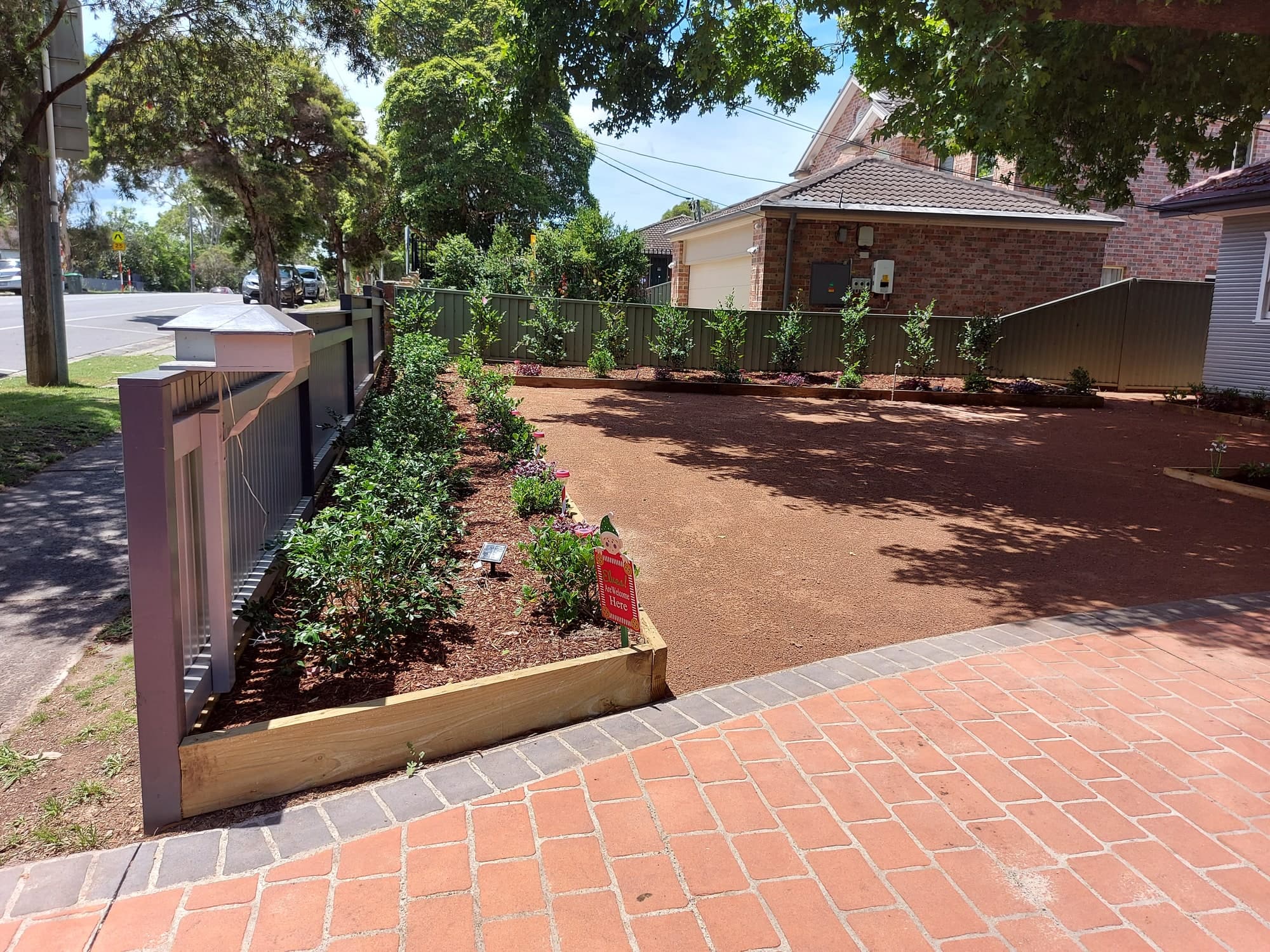
Once the problem and any treatment are understood, a garden restoration can address overgrowth, weeds, tired planting and beds that need attention. Share the specialist’s advice and any recent treatment with David before work begins, so access, timing and handling can be discussed.
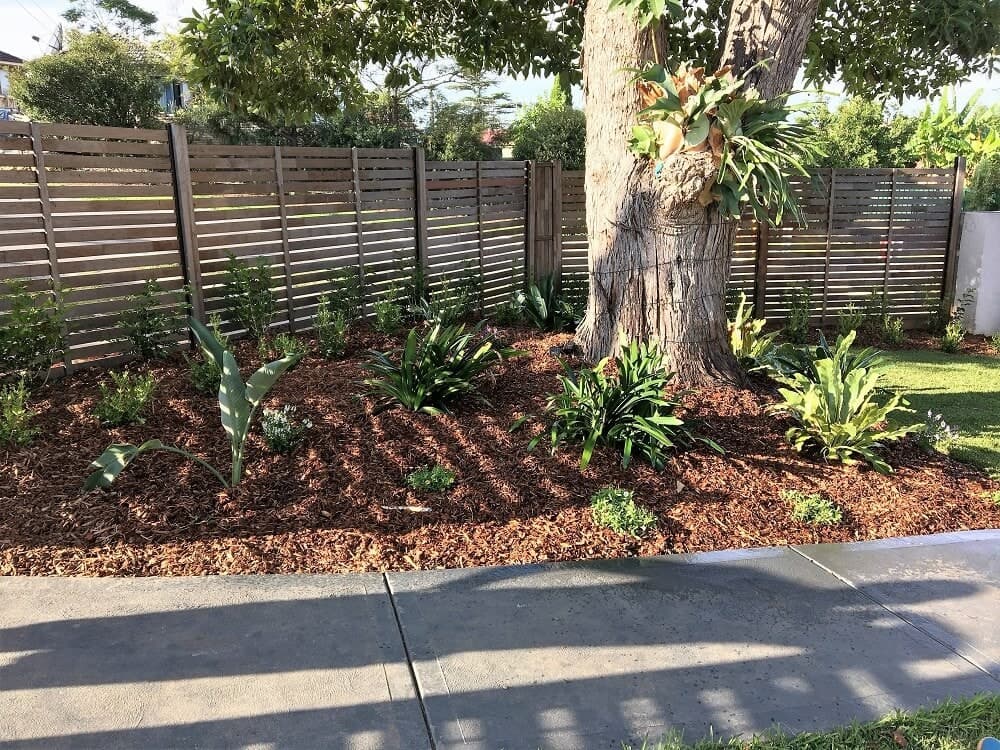
A garden makeover may suit a bed that needs different planting. Choose for the light, soil, space and care available rather than treating new plants as a guarantee against future pests. Our mulching guide explains bed preparation and material choices.
Budget for the right work
Diagnosis and specialist treatment are separate from garden restoration. Our gardening price guide covers Absolute’s restoration budgets, not pest-control fees.
When you contact David about restoration, describe the garden work you need and any advice already received. If the main problem still needs diagnosis or treatment, use the appropriate specialist first.
Free on-site quote. Tell David your suburb and what you would like done; photos are optional.