Water new turf as soon as it is laid, then keep the turf and the soil beneath it moist while roots establish. How often you need to water depends on weather, soil, grass variety and rooting; follow your installer’s care instructions rather than one fixed number of minutes.
How to water new turf
| Stage | What to check and do |
|---|---|
| Immediately after laying | Water through the turf into the soil beneath, following the supplied care instructions |
| Before it has rooted | Check moisture and coverage often, particularly along edges and beside paving; avoid both drying out and persistent pooling |
| As roots establish | Gradually adjust frequency and duration with your installer’s advice and the weather |
| Once established | Move towards deeper, less frequent watering when needed, within the current water rules |
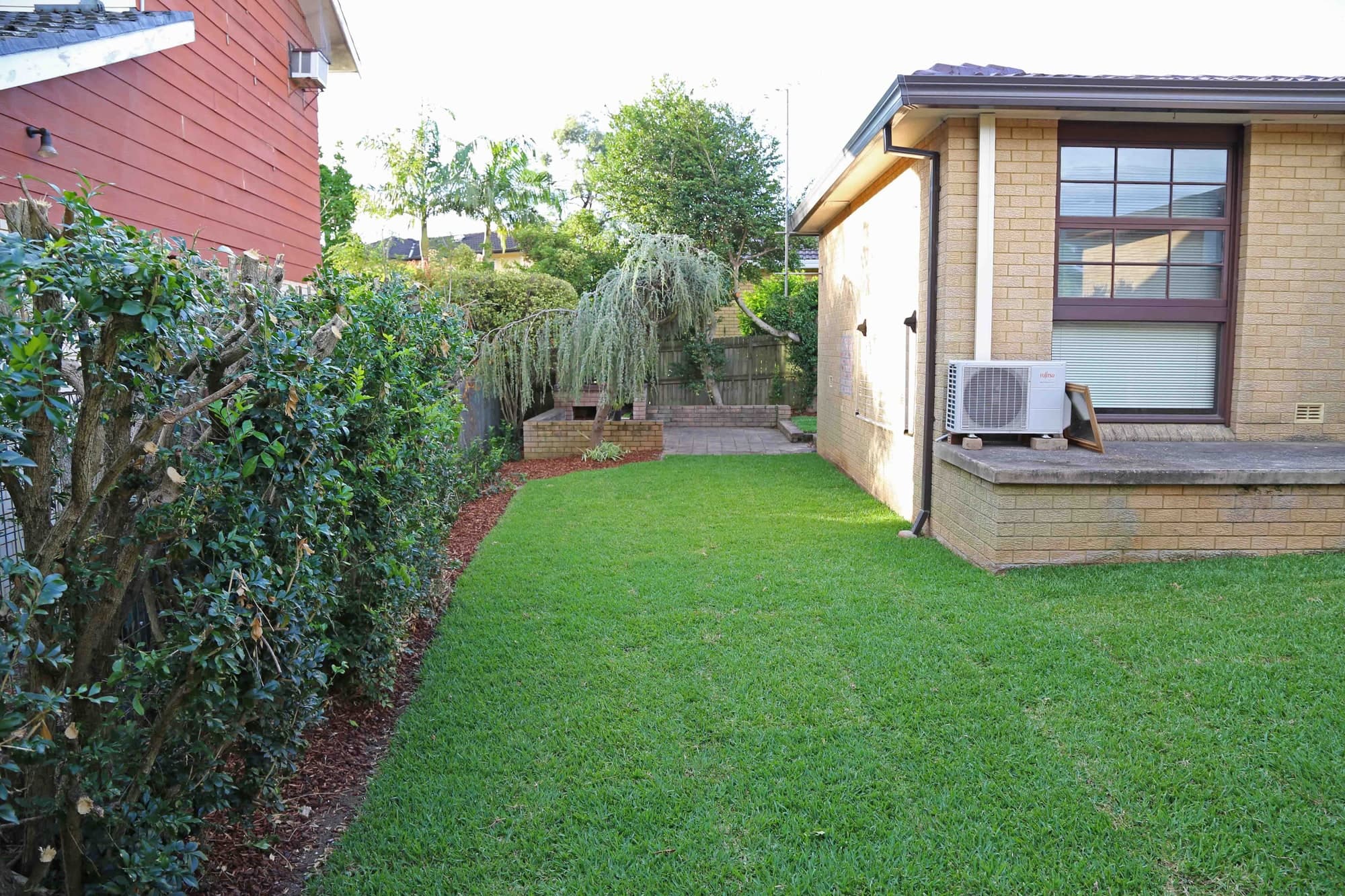
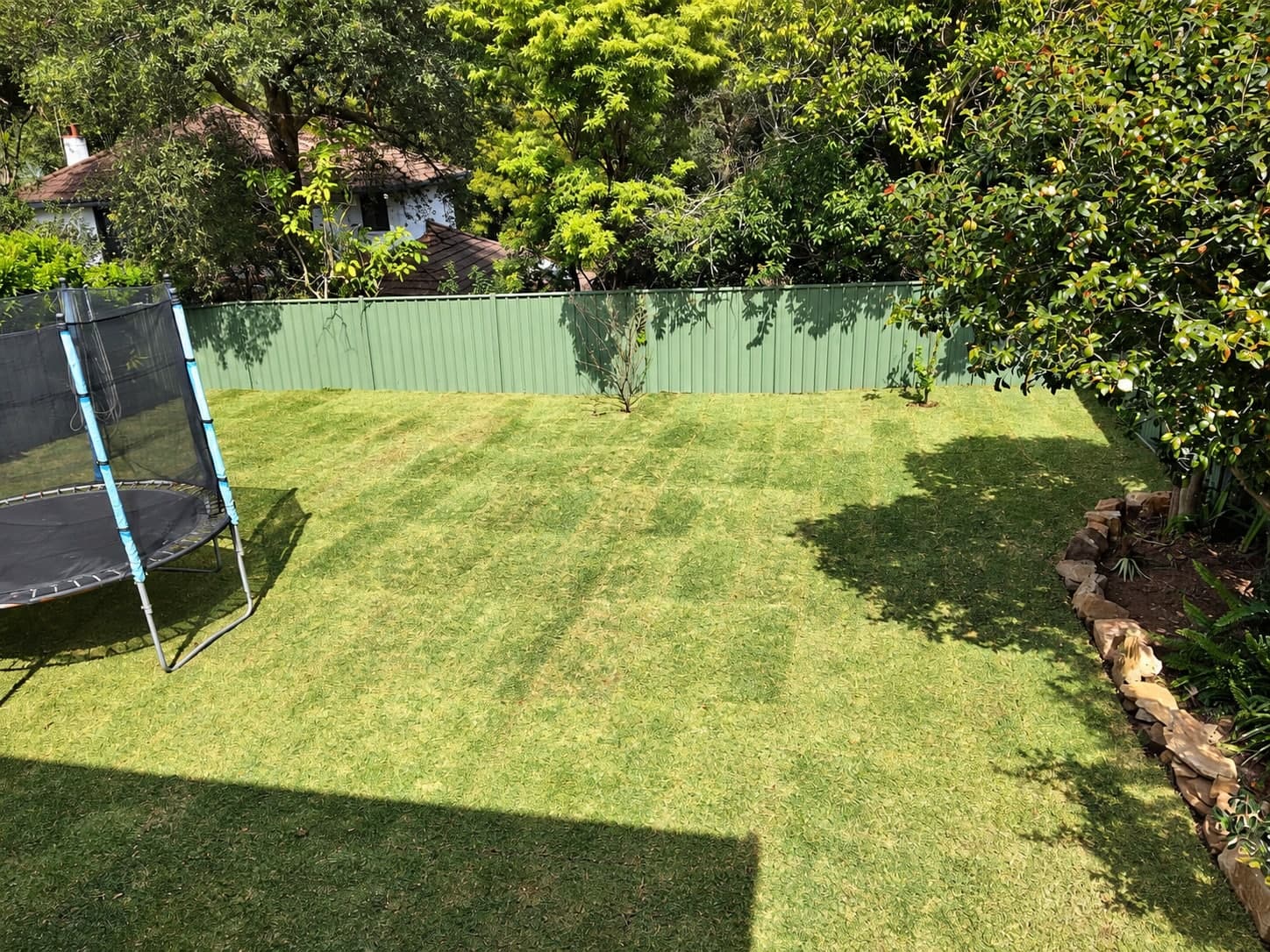
New turf has a different watering need from an established lawn. Keep foot traffic low while it establishes, and ask your installer when it is ready for mowing and normal use. When we lay a lawn through our turf laying service, we water it in and leave care instructions for the time of year. Lawn Solutions Australia’s initial-care guide explains how temperature and rooting change the care required. Source checked on 22 October 2026.
How Sydney’s weather affects new turf
Heat, wind and exposed edges can dry a new lawn faster. Shade, cooler conditions and rain can reduce how much extra water is needed. Check more than one part of the lawn rather than assuming a damp patch means the whole area has been watered.
A watering time is only useful if you know what it delivers. Hose flow, sprinkler coverage, area and soil vary. Check the turf and soil beneath it with your installer’s recommended method; a hard soil surface or resistance to a screwdriver alone does not prove the lawn needs more water.
What do Sydney’s watering rules allow?
Under the current Sydney Water Water Wise Guidelines, new turf can be watered with drinking water at any time for 28 days after it is laid, in accordance with the care instructions from the supplier, installer or care professional. Runoff and overspray onto hard surfaces are still not permitted.
For ordinary lawn watering, the usual times are before 10 am and after 4 pm, with separate provisions for smart or drip systems. Check the current rules again if restrictions change or your lawn needs care outside the usual arrangements after the establishment allowance. Source checked on 22 October 2026.
Common mistakes
- Leaving dry edges: check corners, joins and strips beside paving, not only the centre of the lawn.
- Relying on a timer without checking: review the ground after rain and during hot or windy weather.
- Watering only the surface: the grass can look wet while the soil beneath has not received enough water.
- Continuing while water pools or runs off: stop and check application rate, coverage and the ground conditions.
- Starting normal use too soon: keep children, pets and heavy activity off while the lawn establishes.
If you are going away, arrange for someone to check the lawn and follow its care instructions. A newly laid lawn should not be left without an establishment plan.
Signs new turf needs attention
Discolouration, curling leaves, gaps at joins or a patch that is not rooting deserve a closer look. They do not all have the same cause. Check the recent weather, soil moisture, watering coverage and any traffic over the area before changing the routine.
If the problem is worsening, the ground stays saturated or you are unsure what to change, contact the installer or supplier promptly. Share when the turf was laid, how it has been watered, recent rainfall and photos of the affected area. Avoid adding fertiliser or pest treatments simply because the lawn has changed colour.
Once the lawn is established
Follow advice for your grass variety on mowing height, feeding and seasonal care; our turf choice guide explains how the main Sydney varieties differ. The first mow should follow adequate rooting rather than a universal number of days after installation. Aeration is a response to compaction and conditions, not an automatic job for every new lawn.
Absolute lays new turf; we do not provide ongoing lawn-mowing or maintenance rounds. If we installed your lawn, contact David about the care instructions provided with the job.
Laying new turf?
Our Ryde project shows prepared ground finished with lawn and planted borders around a pool. Good preparation and a workable care plan belong together when planning a new lawn.
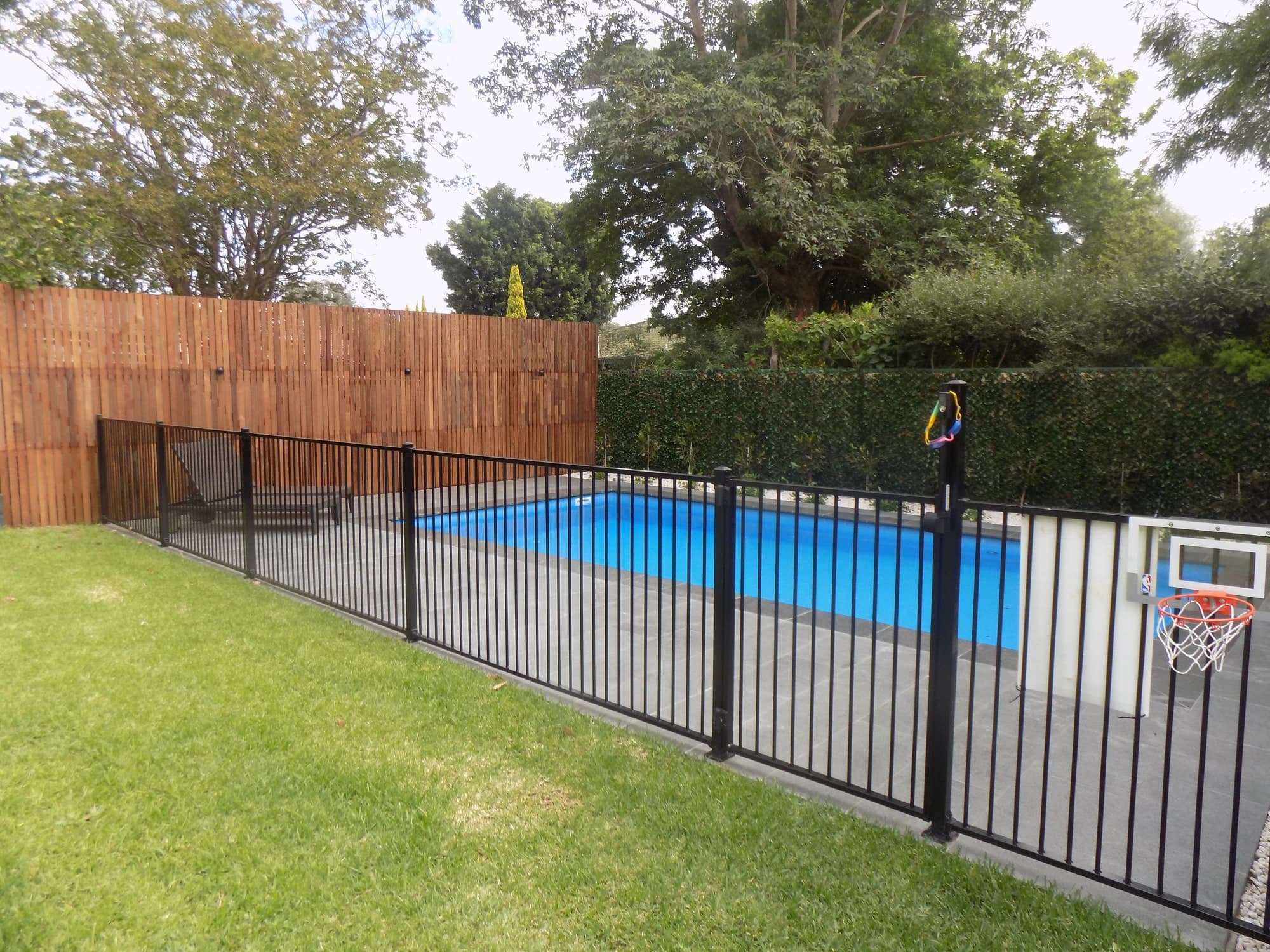
See the Ryde garden project and our turf laying service. The Sydney turf price guide separates turf supply and laying from preparation and complete-job budgets. David can discuss your area, ground conditions and access at a free on-site quote.
Free on-site quote. Tell David your suburb and what you would like done; photos are optional.